Chapter 1 without the spoilers
Chapter 1 is the case the demo covers: find the body, work the room, then argue the first trial. Two things trip up launch-day players — the opening argument can softlock, and the debate keys are easy to misread.
Chapter 1 is the only part of Psycho-Sleuth this site walks through, and the reason is simple: the free demo already published it. Everything here is either visible in the demo, visible in official screenshots, or a bug report from the first week. There are no solutions, because the first case's answer is still the game's answer to give you.
What you get instead is the shape of the chapter, the things that trip people up, and the one workaround that matters.
The shape of the chapter
| Phase | What the game asks | Common mistake |
|---|---|---|
| Cold open | Watch the killing and meet the room | Skimming the dialogue — the first clue is usually in it |
| Investigation | Walk the scene, talk to suspects, build a clue list | Leaving a conversation before it finishes and losing a line |
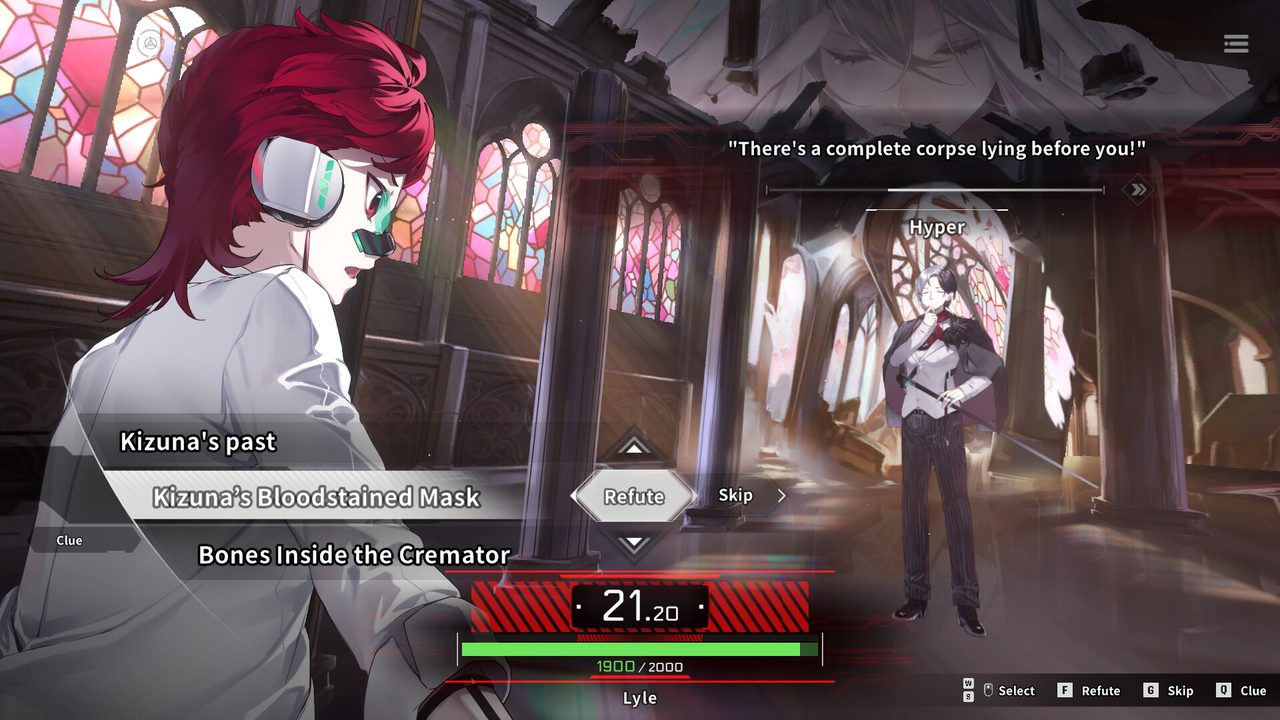
| Debate | Argue the case statement by statement | Refuting everything instead of judging each statement |
| Resolution | The chapter's punishment scene | None — this part plays itself |
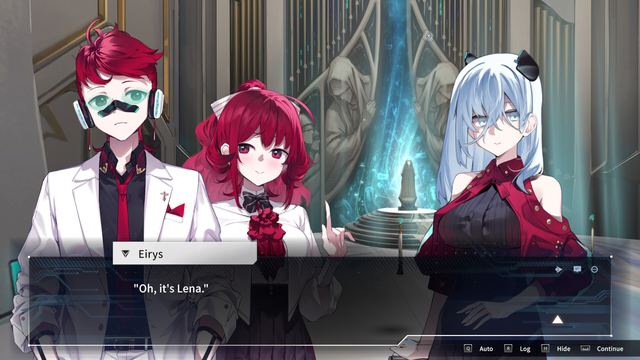
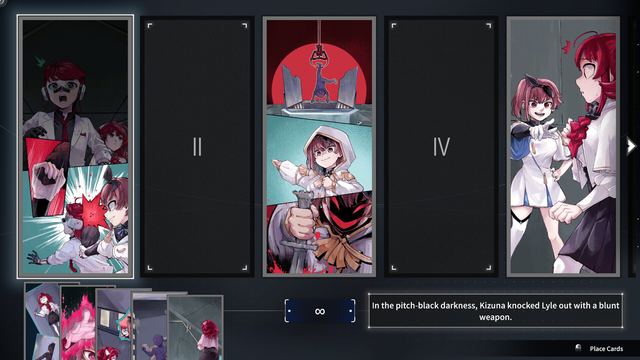
The first chapter is a tutorial in disguise. It teaches the debate keys by putting you in an argument you can lose, and it teaches the disorder mechanic by showing you a room that does not add up before it explains why.
Before your first argument
Four things worth doing, in order:
Open the profile panel. Each character has a Pathosync Disorder Profile you can read. It is the game's own reference card and it costs nothing to check mid-scene.
Save. There is save-anywhere, and no achievement or penalty for reloading. Save before a debate and you can experiment with statements without re-reading the build-up.
Remap if the controls feel wrong. The default layout puts selection on W/S, refute on F, clues on Q and skip on G. The demo update in November 2025 added full hotkey customisation, so nothing about that layout is fixed.
Decide your policy on accepting statements. New players refute too much. If you end an argument with no clues left and it is still going, you spent them on statements that were true.
The clue-to-statement match
The single skill the first trial tests is whether you can tell what a clue proves from what it merely mentions. A clue that places a person in a room does not refute a statement about an object; a clue about an object does not refute a claim about a time.
When a statement looks absurd — "there was nothing on that side of the table" — check whether the person saying it is capable of seeing that side of the table at all. The first chapter introduces this trick gently, with one suspect whose perception is visibly incomplete, and then expects you to apply it for the rest of the game.
The two walls in week one
The opening argument can softlock. Multiple players reported the same thing within the first day: the initial argument in Chapter 1 stops responding, with the game waiting for an input that never registers. It is the most-reported issue on the Steam hub. The workaround that has been passed around is to reload an earlier save and re-enter the argument rather than retrying in place — if the scene is already frozen, alt-tab out and close the game rather than waiting.
There is a second report, in Chinese, describing a bug in the trial chapter immediately after the demo's content ends. That is a different failure at a different point, and it points at the same advice: save before every trial, and keep more than one slot.
The debate keys are easy to misread. F refutes, Q opens clues, and W/S move the selection. Players who expected Enter to confirm have spent their first trial pressing the wrong thing while the timer ran. If the argument feels unresponsive, check you are on the right key before assuming a bug.
What the first chapter is actually teaching
Three lessons, in the order the game delivers them:
Perception is evidence. The first crime scene contains something that should not be there, or is missing something that should. The chapter does not explain it; it lets you notice.
Testimony is not testimony. A statement from an Afflicted is a report of what they perceived, not a report of what happened. The gap between those two things is the game.
Time is a resource. The timer turns "I know the answer" into "I know the answer and can produce it in eight seconds". That is the skill the rest of the game builds on.
After Chapter 1
If you played the demo, you have two options and the developers have a preference. You can replay Chapter 1 in the launch build — it was substantially revised, with extra clues in cutscenes and reworked pacing — or you can jump to the Trial section of Chapter 2, which is what their streaming guidelines recommend to returning demo players.
If you are continuing and want systems help without story help, Pathosync and the afflicted powers is the page to read: it explains what each disorder does to a room, which is the only knowledge the later chapters assume you have internalised.
The walkthrough hub explains what this site will and will not cover for Chapters 2 to 5, and known issues has the full list of launch-week reports with the current state of each.
Chapter scope is from the demo's published coverage and the developers' guidance to returning demo players; the softlock and controller reports are from threads on the official Steam hub, dated 4–6 November 2026. Checked 6 November 2026.